Before the railways came, the prime mover of goods around the UK was the canal system. Canals were built to connect major cities and major industrial sites around the country. Some of the early railways were built to connect canals.
In 1789, the act of parliament to construct the Cromford canal, and after construction and financial problems, it opened in 1794. 36 years later in 1830, the Comford and High Peak railway opened, connecting the Cromford canal at High Peak Junction to the Peak Forest canal at Whaley Bridge. One of the features of this railway is that it contained quite a few inclines to gain height over the Derbyshire dales, including the first incline between High Peak Junction and Middleton Top called Sheep Pasture incline.
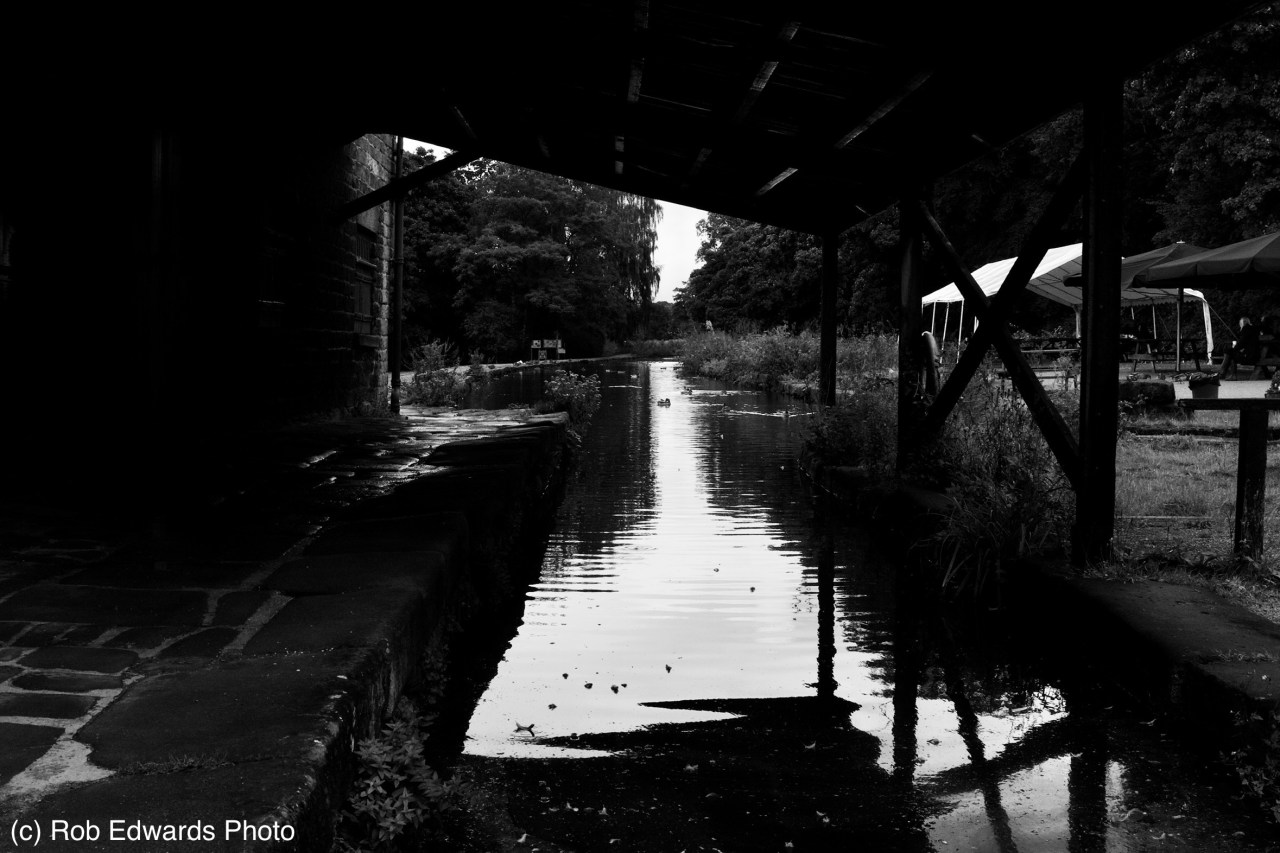
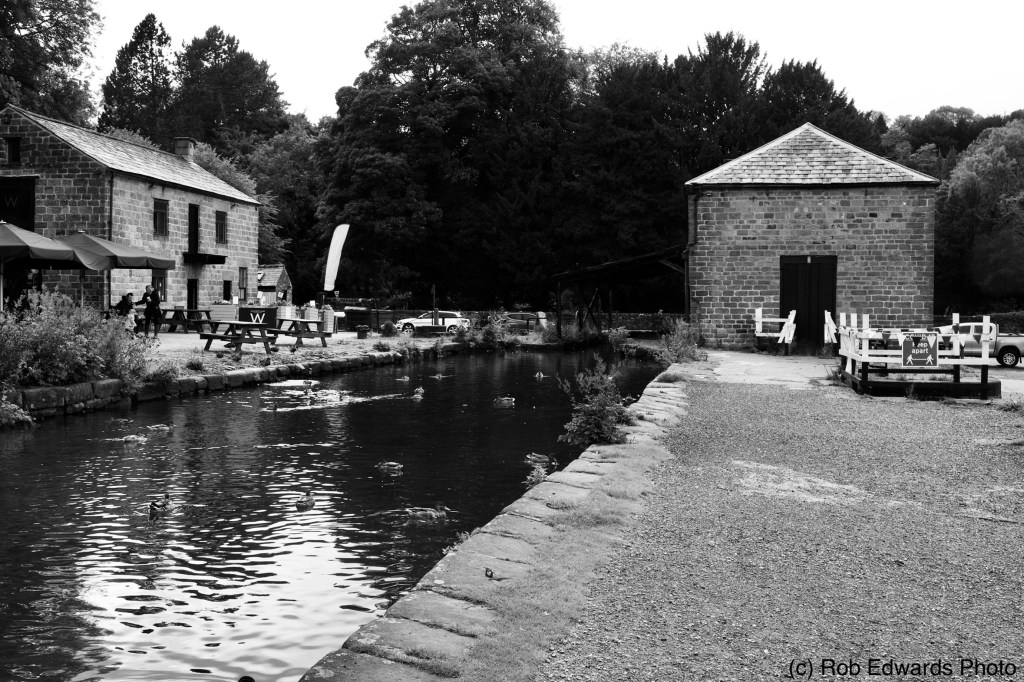
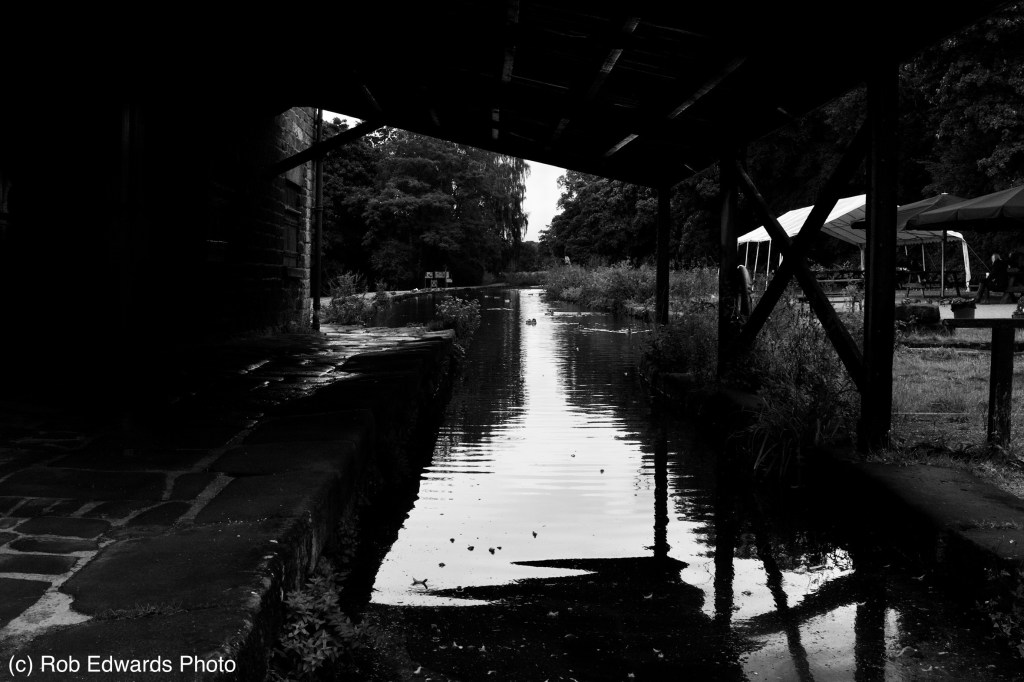
Back in August 2020, we had a weekend visiting that part of Derbyshire, and here are the pictures of the canal wharf at Cromford, where goods would be loaded, and the top of the former sheep’s pasture incline at Middleton Top
Cromford Wharf
Cromford wharf still exists today, and (when COVID-19 restrictions allow), pleasure trips on canal boats are still run from here. But it is a place where the industry of the past can still be seen.
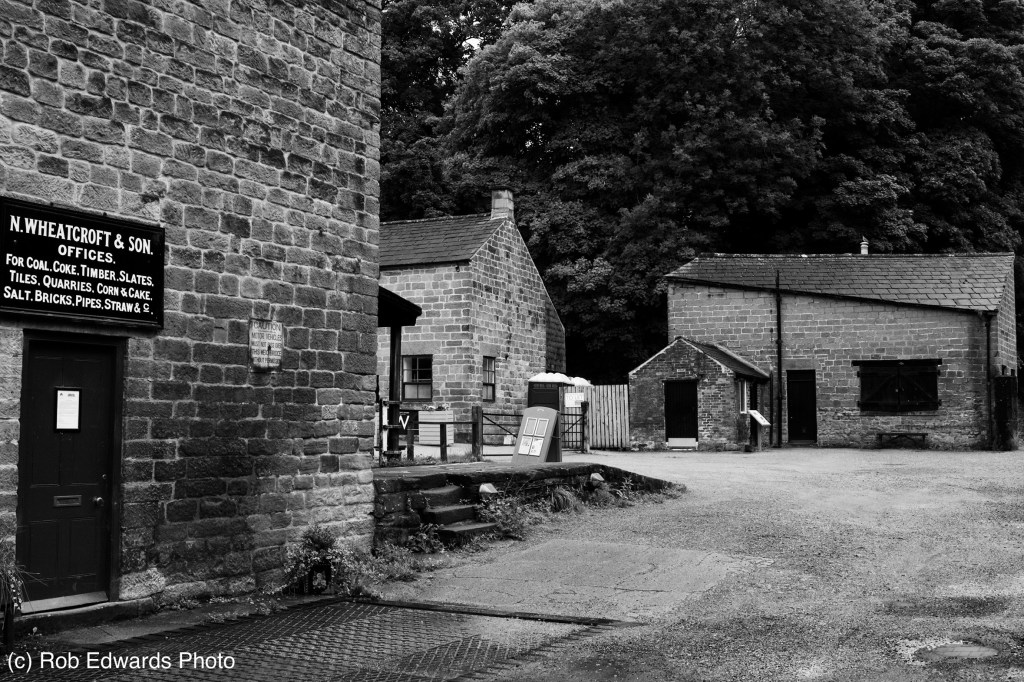
The canal wharf was a place for goods to be transferred from horse and cart to the waiting canal barges to transported, potentially, all round the country. Originally, the barges would have been horse drawn along the ‘towpath’, hence the name of the path alongside the canal itself.The remains of the loading shed at Cromford wharf. This side was the N Wheatcroft & Son wharf for all sorts of goods.The office at the wharf of N Wheatcroft & Son. The sign shows the variety of goods that were conveyed by this company from this wharf.
Middleton Top
Middleton top was the top of the former sheep pasture incline from the Cromford canal at High Peak Junction. Wagons would be hauled up the 1 in 9 incline by steal ropes, as the video below from the Huntley Archives shows – the incline in use in the 1930s by the then LMS railway company.
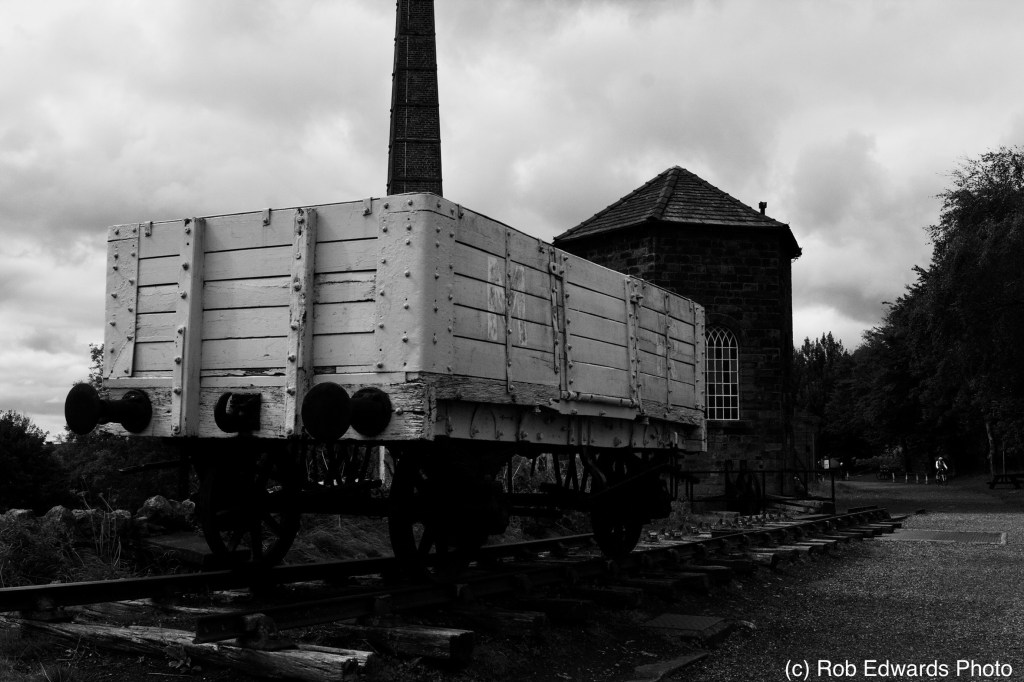
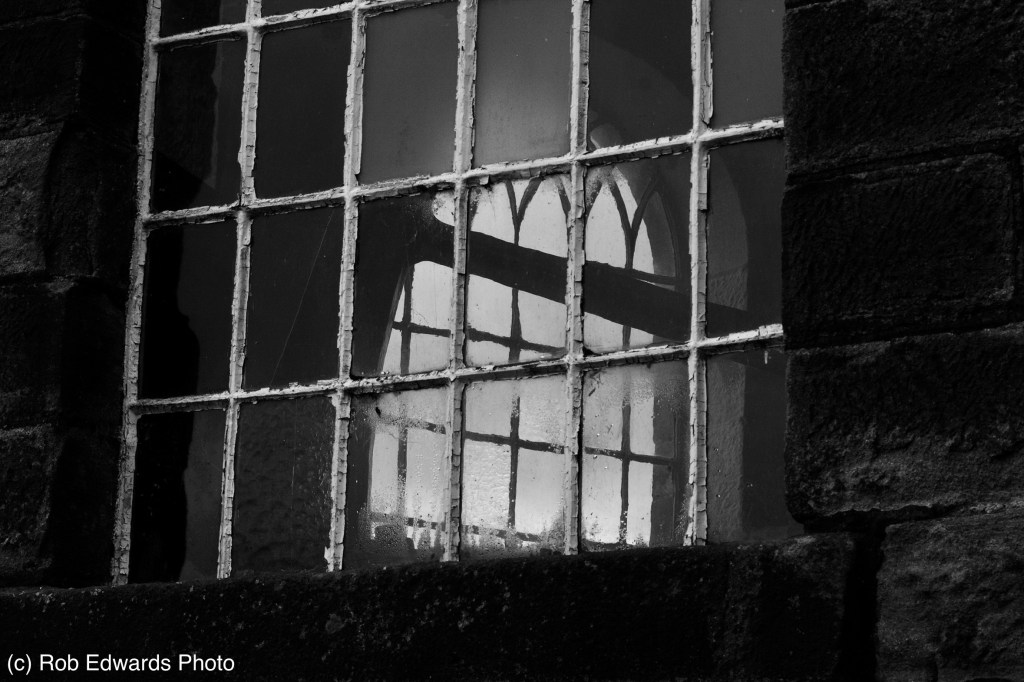
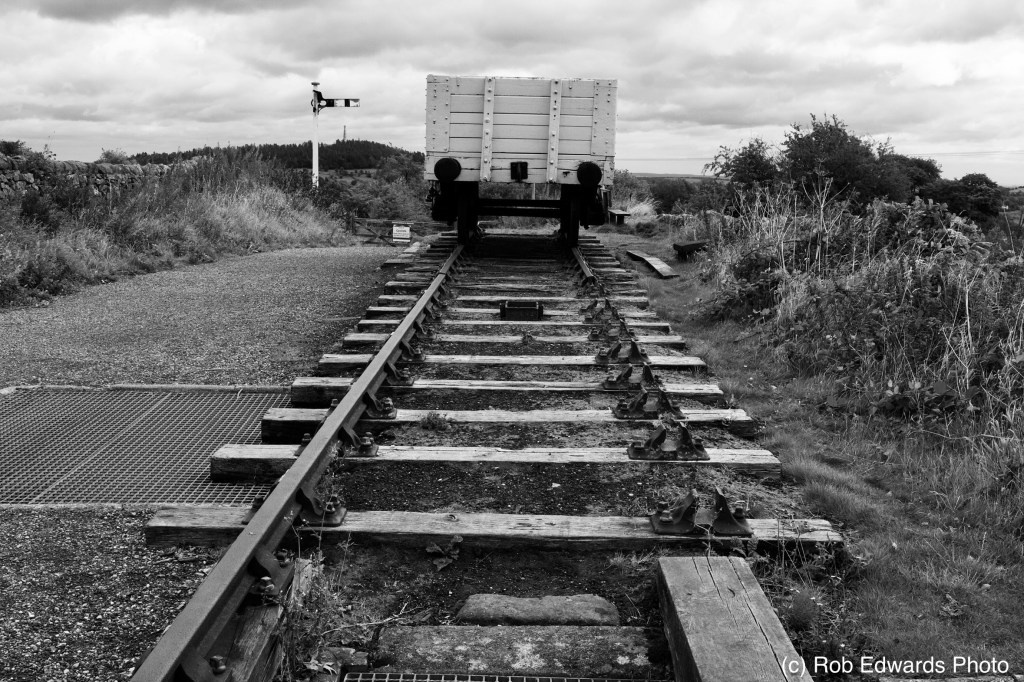
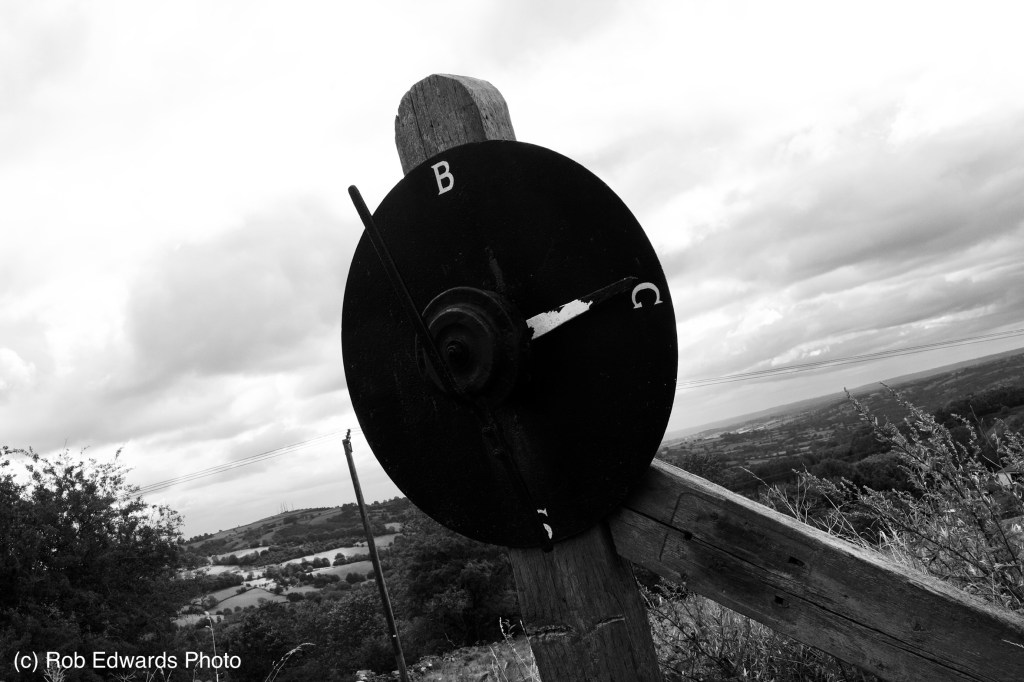
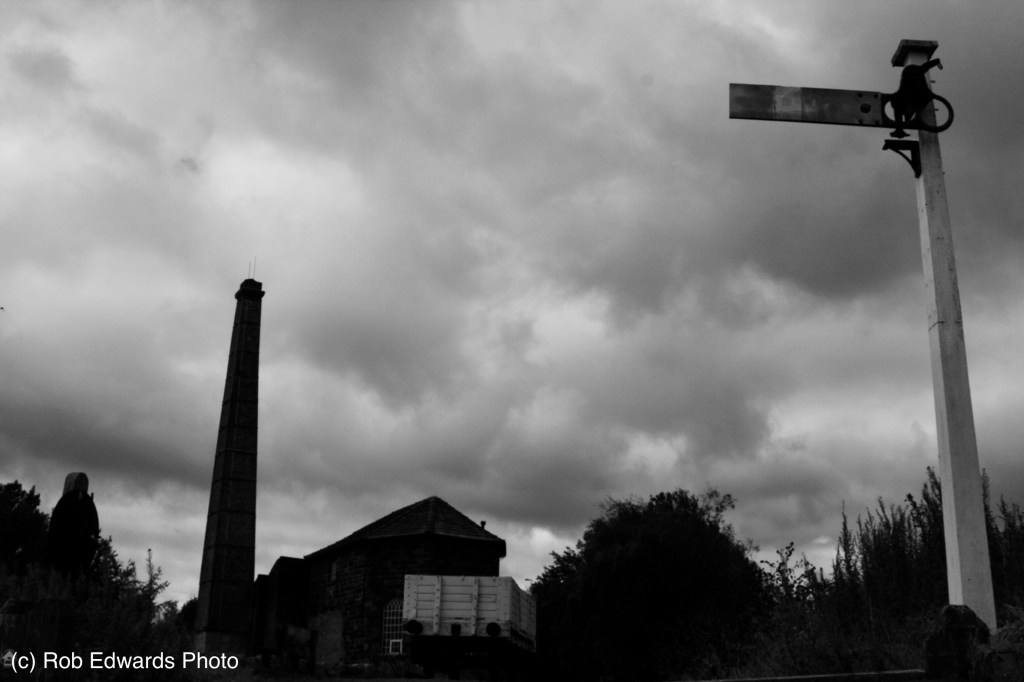
MIddleton Top is dominated by the the 1830 engine house, its imposing chimney, and an example of the wagons that used to work over the former railwayThe two Butterly Company 20 HP rotary beam engines in the engine house were driven by two Cornish boilers. The Cornish Boiler had a single flu tube to carry the heat through the length of the boiler. The Cornish boiler was first developed by Richard Trevithick in 1812. This pair here were probably built in the LNWR works in Crewe in the 1860s, following the original boilers being described as being in ‘poor shape’ in the 1850s. Because a number of the boiler fittings are missing, and the shed covering the front of the boilers was demolished, the engines are powered, today, by compressed air.Through the window – the beam engine can just be seen. Sadly, the day I was there, the engine was not in operation.At the top of the former incline, there is a section of track remaining (albeit with a rail missing), and the aforementioned wagon, showing something of what the incline used to beThe old telegraph indicator, used to signal to the engine house when to operate the winding engine, has been moved from the bottom to the top of the incline. The letters were ‘S’ for stop, ‘G’ for go, and I believe, ‘B’ for back or reverse. The incline operated on an endless wire rope, and therefore, to be in reverse was unusual.Although bereft of track, this picture gives an idea of the steepness of the incline, and why a traditional railway locomotive could never have worked up the incline.The final picture is taken at the top of the incline looking back towards the engine house ,and showing a signal, used to indicate if the line from the top of the incline on to the Cromford and High Peak Railway proper was clear.
That’s all for this time folks. Don’t forget to like comment and share.


 Flat Cap and Camera