The remains of the industrial revolution in pictures
Working the slate: the quarry workshop
So, this has been a long time coming, a very long time coming, but I finally got my act together and have done another blog post!
One of my all time favourite museums is the National Slate Museum in Llanberis. The museum has been built in the old quarry workshops of the Dinorwic Quarry, once one of the largest slate quarries in the world, where all manner of parts and equipment for use in the quarry could be made, engines were serviced, and the men would gather for meal breaks.
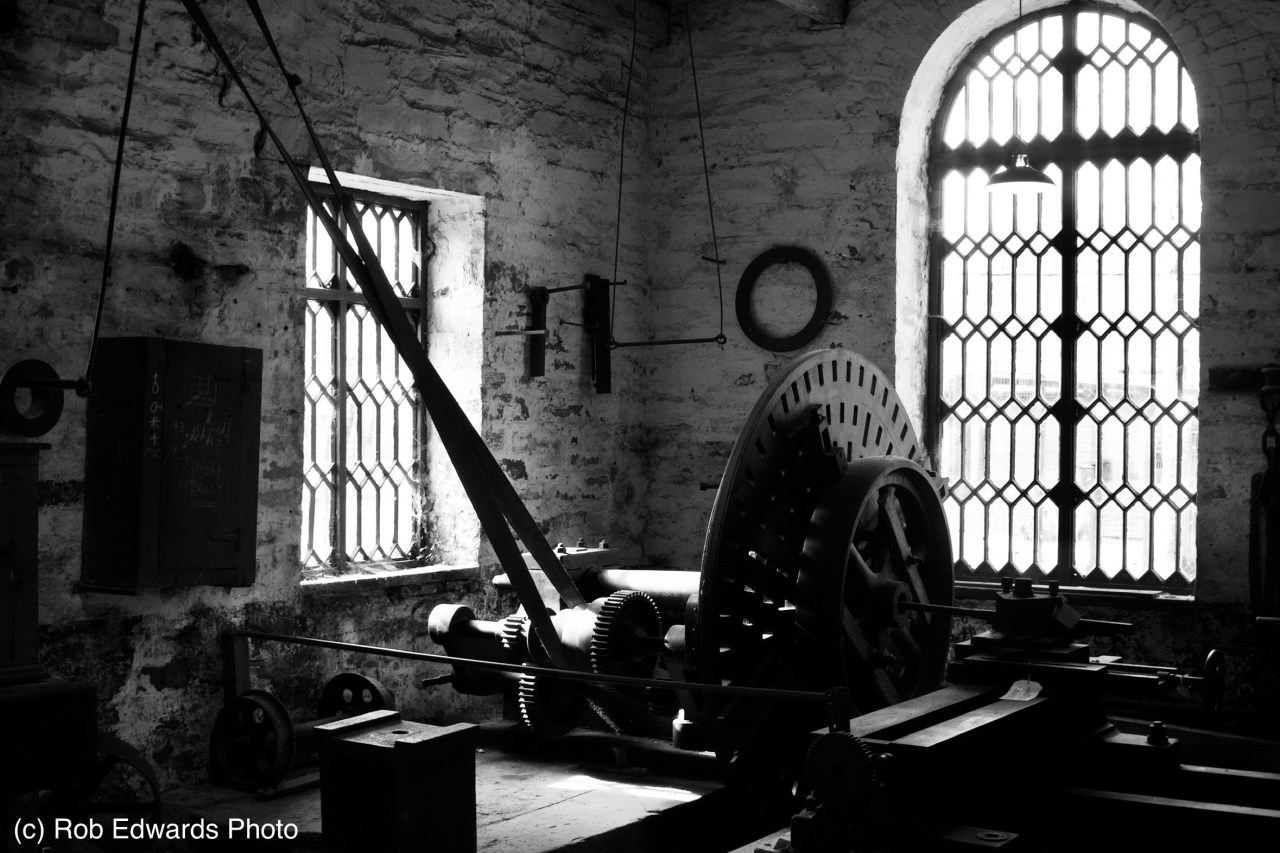
Each slate quarry in North Wales was an independent concern, and therefore required to be able to make or repair any of the machinery used in the quarry, from the engines working the levels in the quarry, to the tools used for the quarrying. Everything could be made or repaired in the workshops, and this required all sorts of machining machines, a foundry and a smithy. In many ways it had too – not only were they independent, but remote from so much else in Wales.
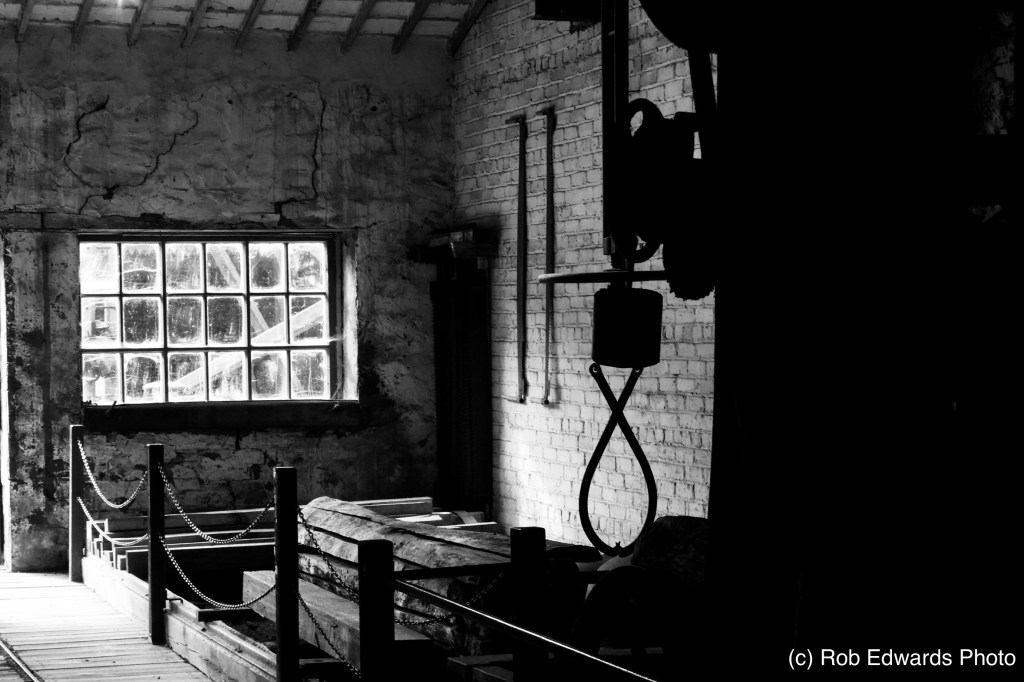
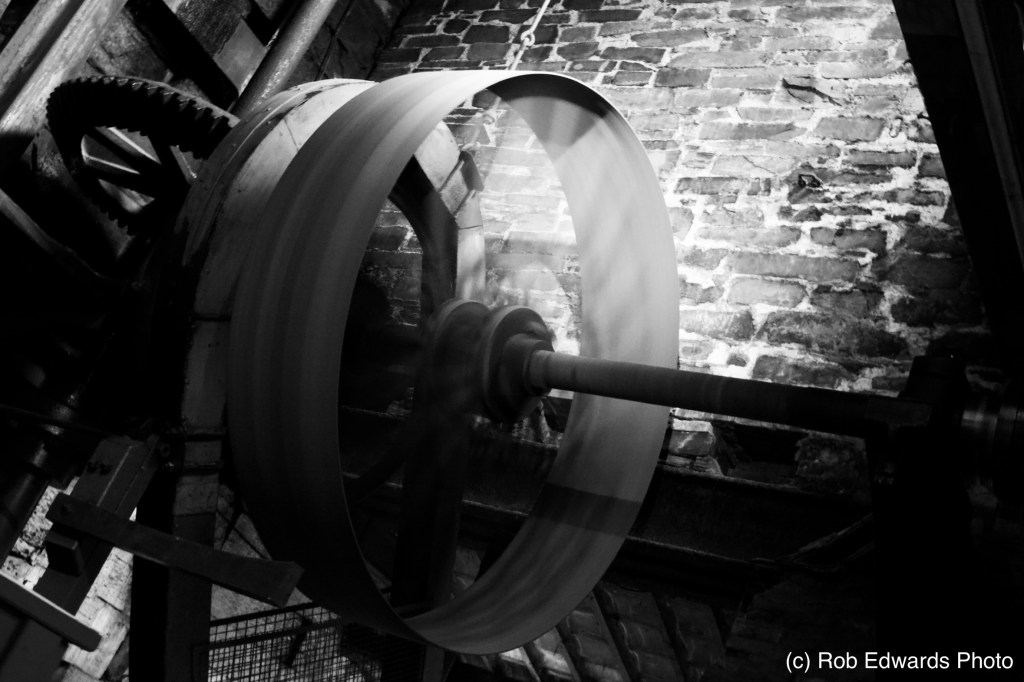
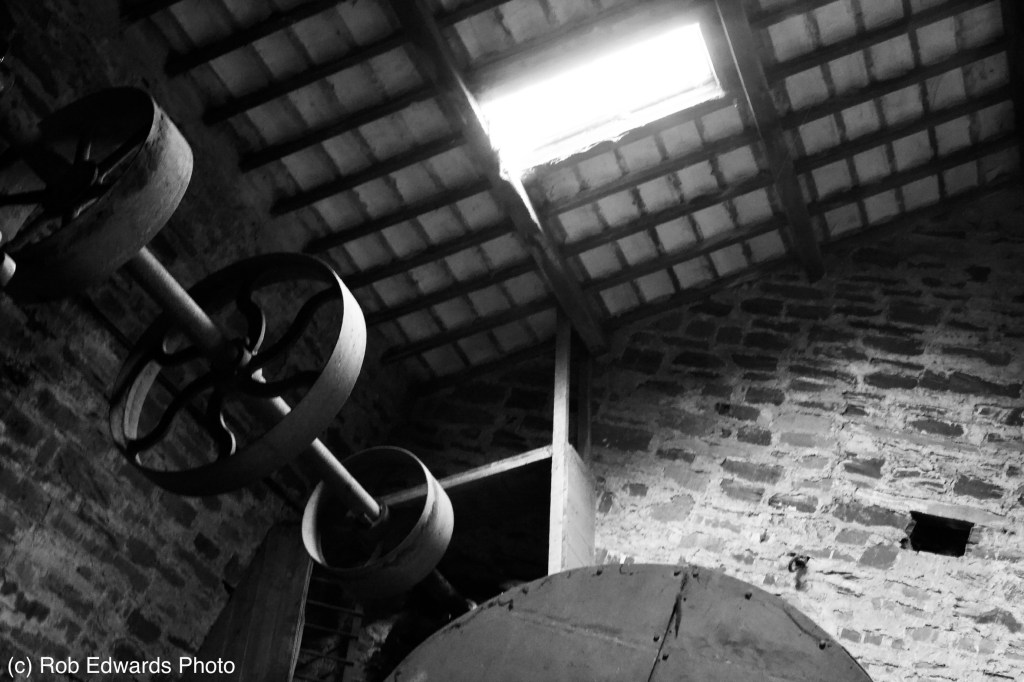
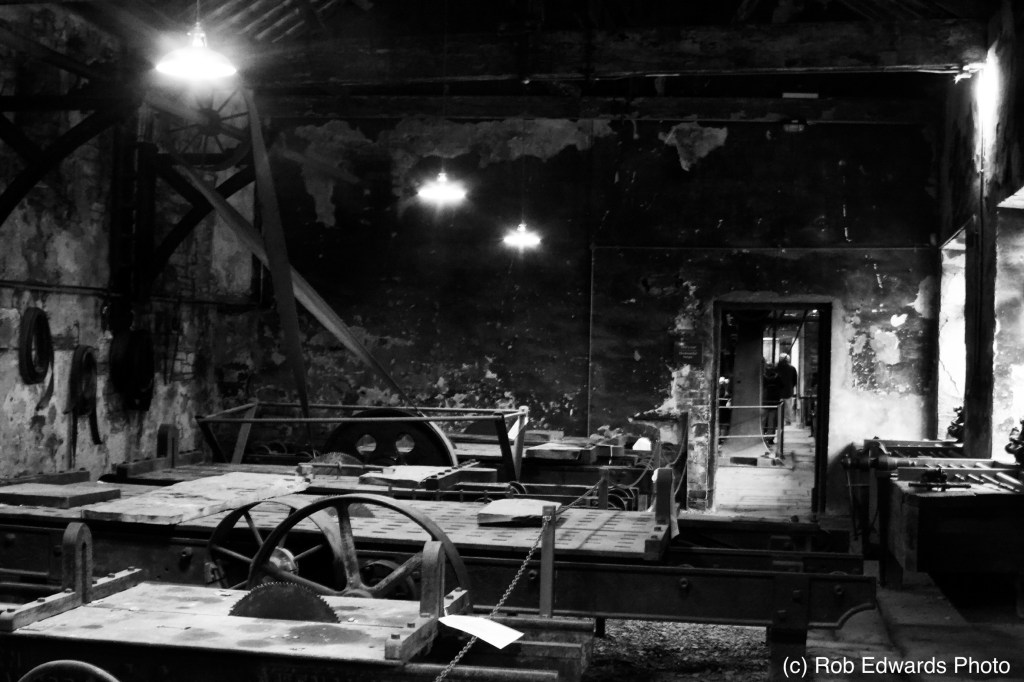
A good chunk of the museum is taken up by the old machinery of the workshop, the foundry, and the smithy, and over many visits over may years, this is my collection of pictures.
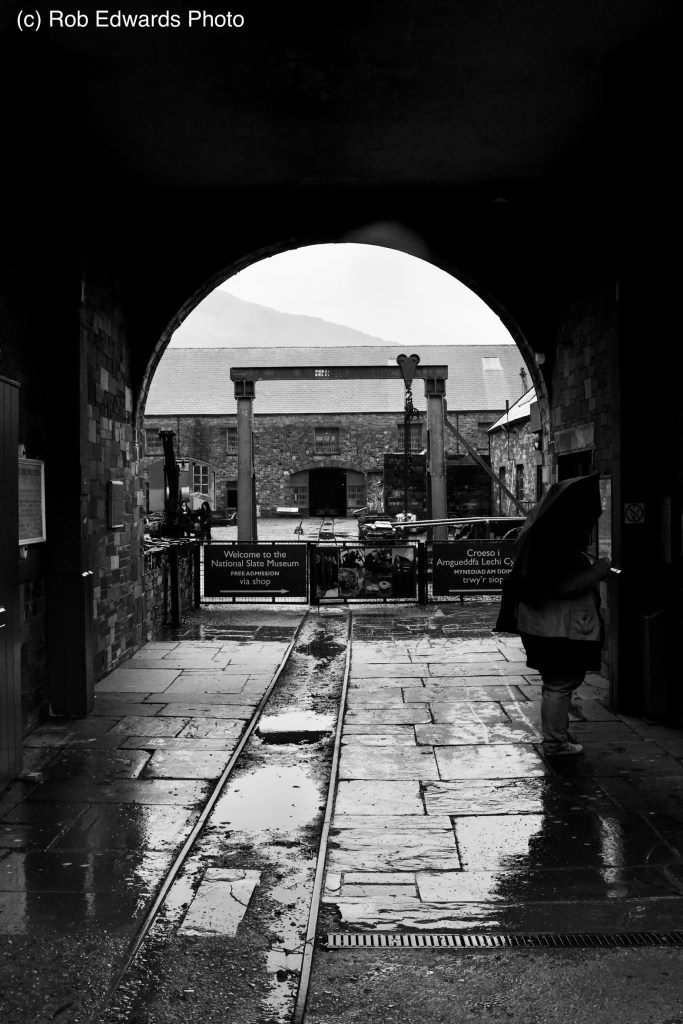
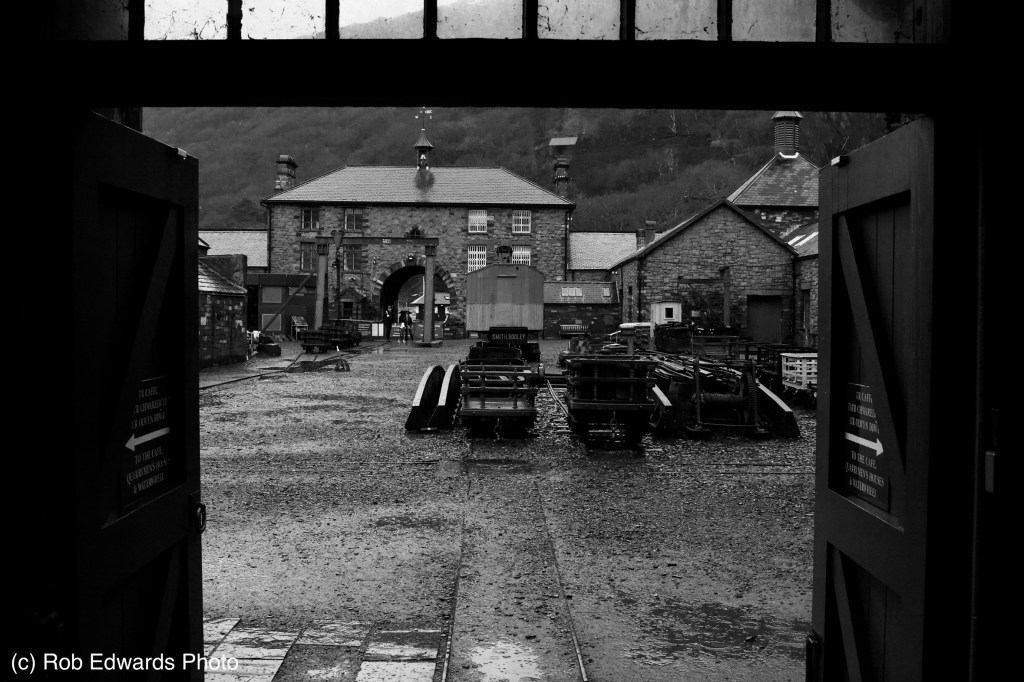
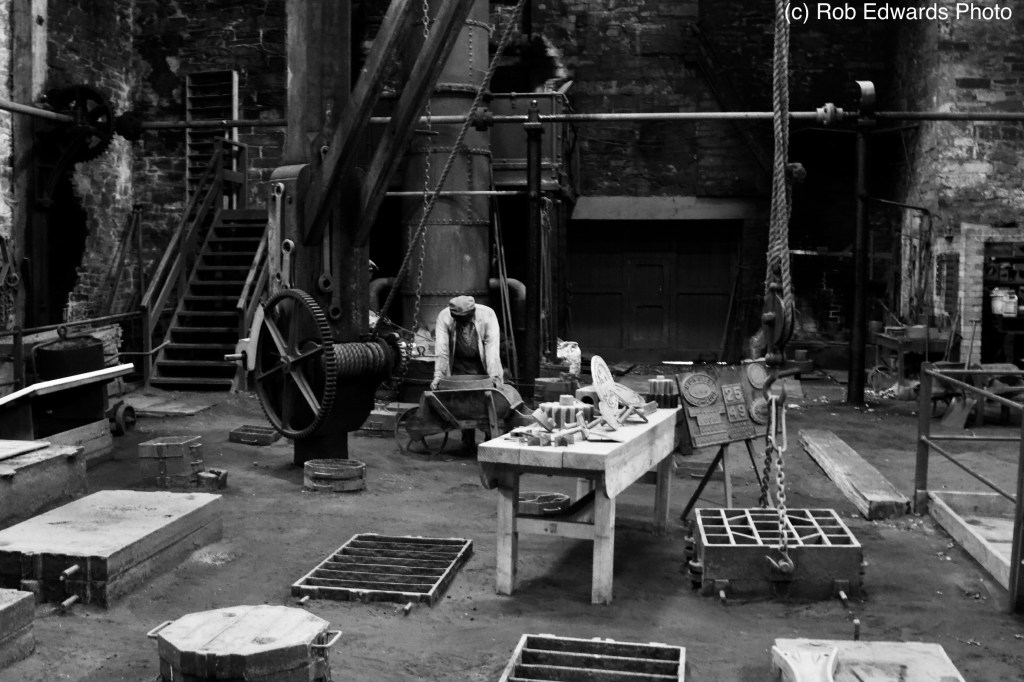
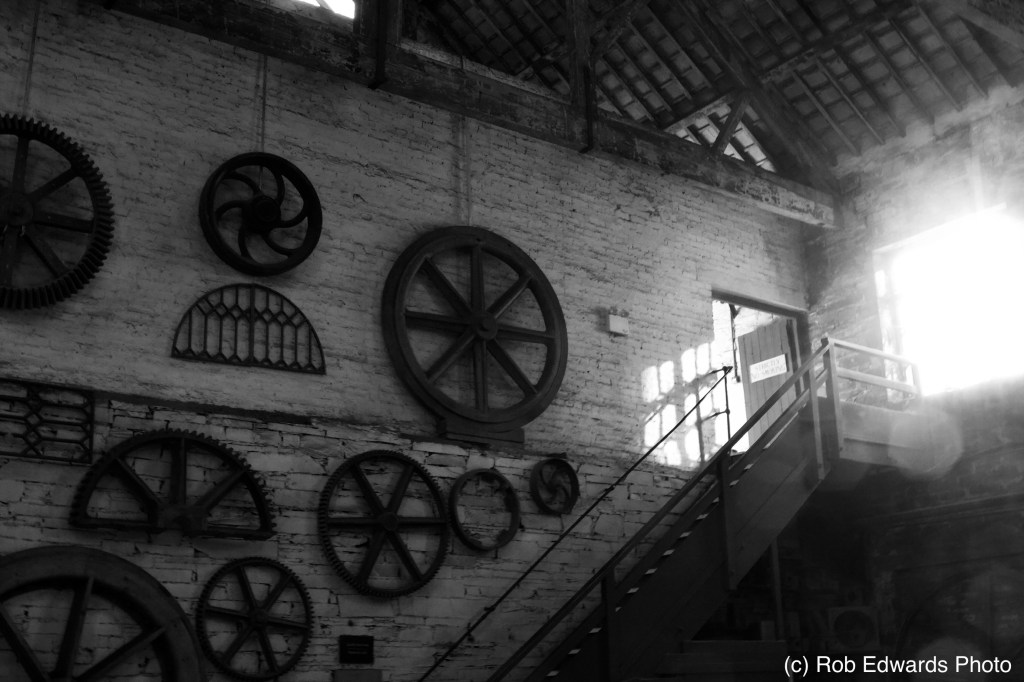
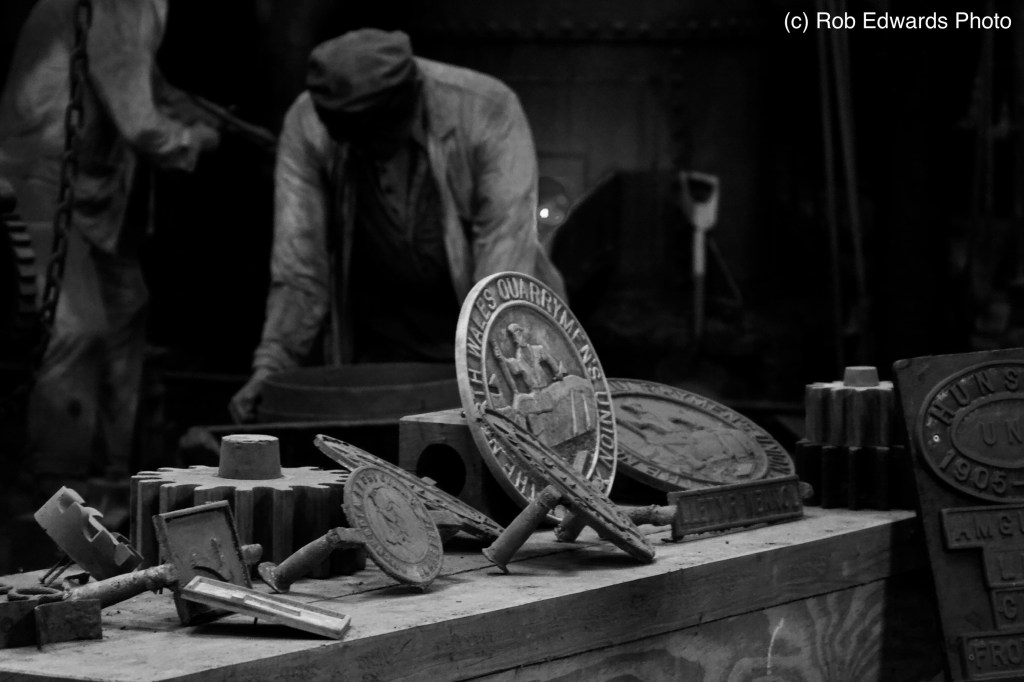
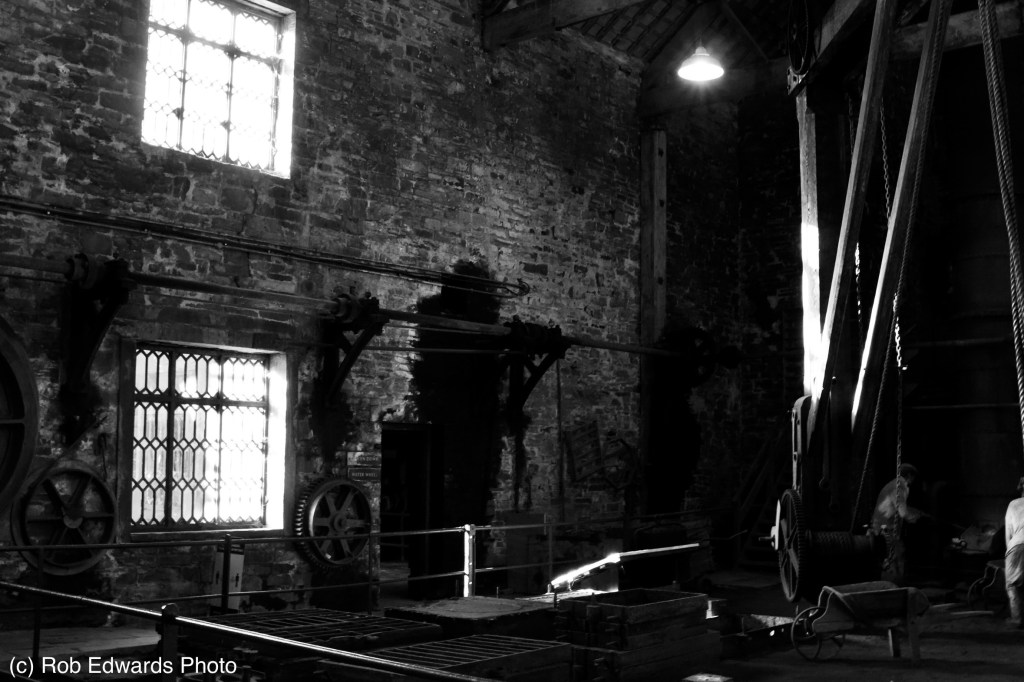
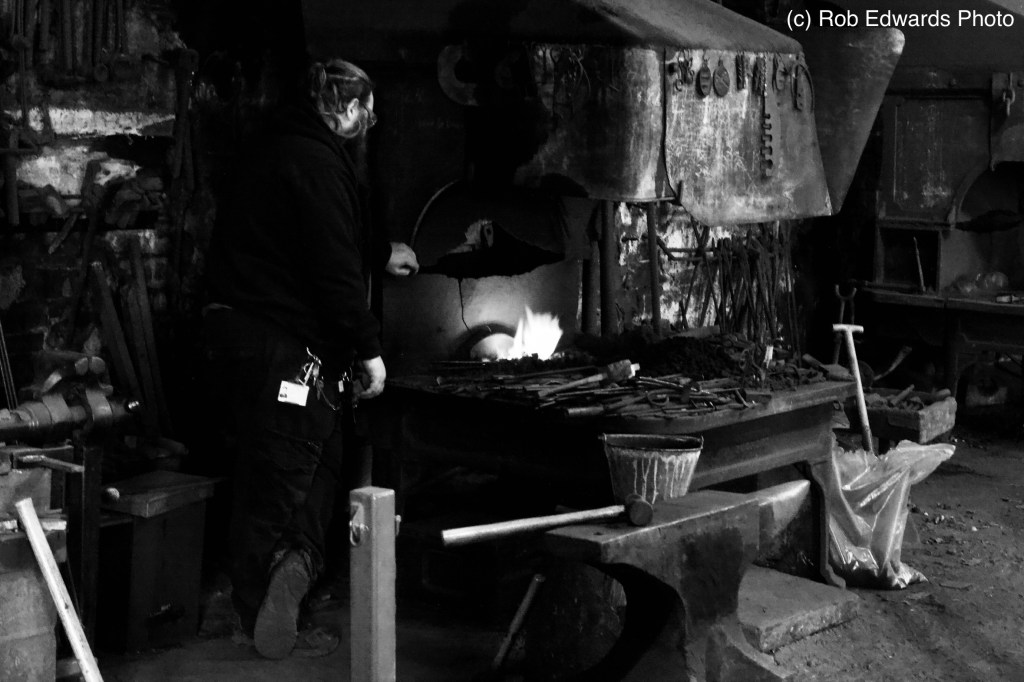
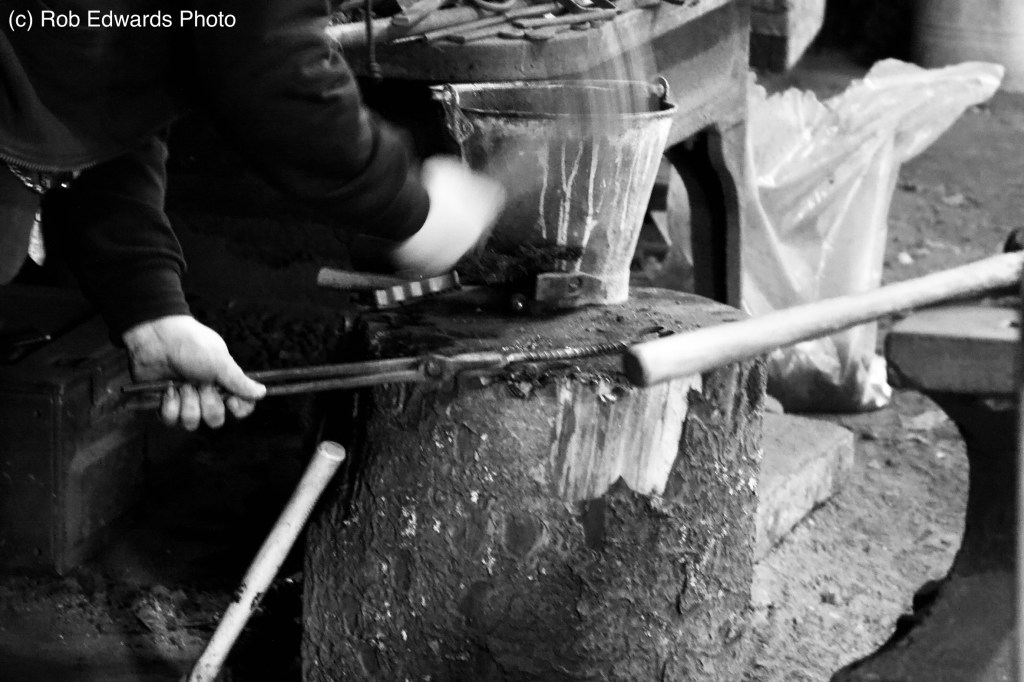
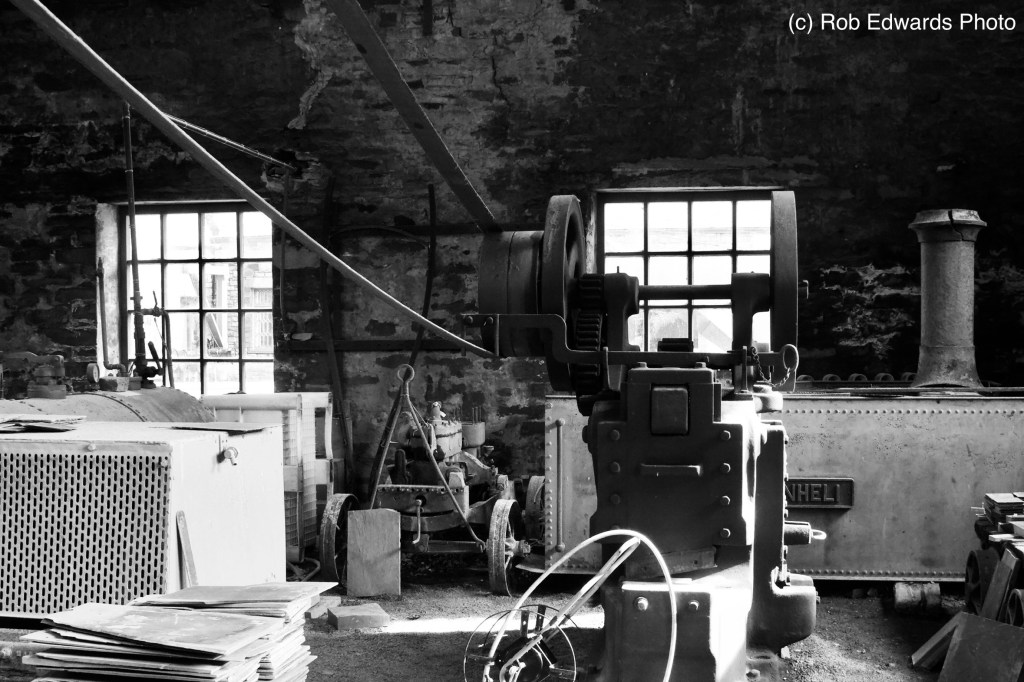
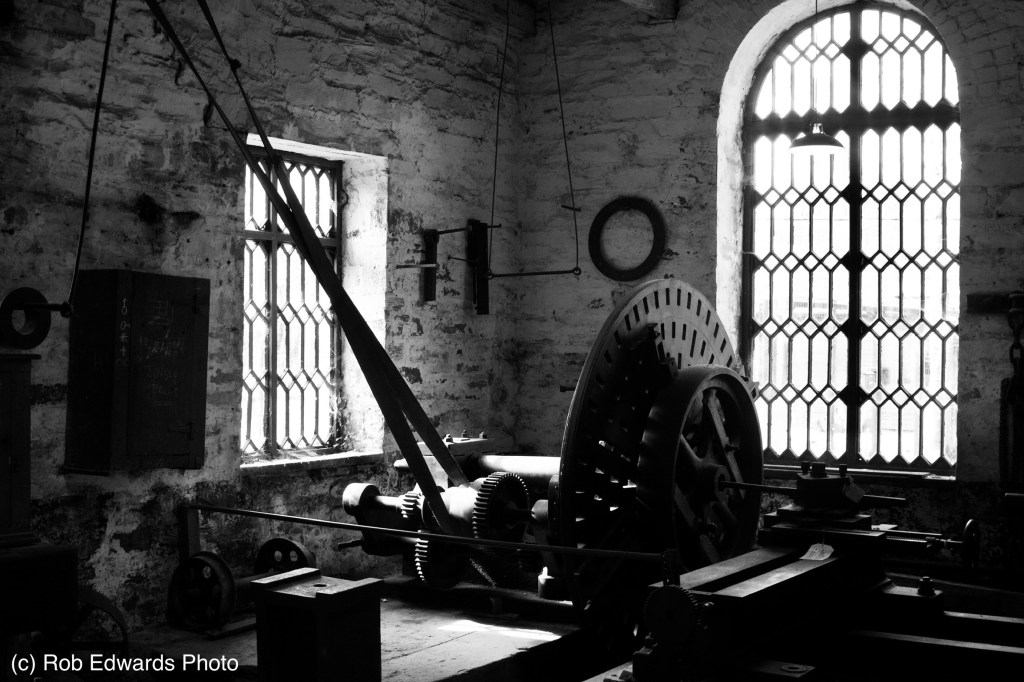
The entrance to the museum and the workshops, therefore, is through an impressive arched gateway. Ahead is the main courtyard of the workshops.View from the other side of the court yard, looking out of the sawing shed. The entrance archway was underneath the offices.Inside the saw shed, there is a belt driven set of saws that can saw a tree trunk into to planks of wood, which could be used for all sorts from sleepers for the various railway lines to decking for the inclined plains.The various machines in the workshop were driven by water wheel, which then powered a line shaft throughout the workshops. Drive was transferred from water and then to the line shaft through right angled bevel gears.The line shaft would continue pulley wheels to allow belts to be put on to drive the machinery in the various parts of the workshop. Skilled men could put a belt on with the line shaft moving, although this was frowned upon…This part of the workshop contained the large cutting benches, and like all the other machinery in the workshop, it was all belt driven. Note that to reverse the direction of the cutting saws, the belts were put on in a figure of 8.A cathedral like room contained the foundry. Patterns would be made in wood that are slightly larger than the item being made, the amount depended on the metal being cast. These would then be filled with air drying sand, and the molten metal then poured into the mould created through holes (if it is a closed casting) or into the top (if it is an open casting). There are still place in the UK that still do foundry work in this way.Many of the patterns created in the pattern shop were reused, eg, like here the gears and wheels, which were made and remade on a regular basisIt was not only large items that could be cast; intricate items like the plague shown could also be cast, showcasing the skills of the foundry men and pattern makersJust another picture of the foundry – included this because I liked the light in it.Compared to the foundry, the smithy is in a much smaller, darker space. There was space for up 4 blacksmiths to be working at once.The smithy is a fully functional smithy, but on the many visits to the welsh slate museum, I’ve never seen it working until October 2020, when one of the blacksmiths was making articles to sell in the shop. It’s skills like those off a blacksmith I admire; the ability to mould and shape metal into different objects by heating the metal and making it pliable is amazing.The workshop also contained machines for working on the various locomotives for the 2’ gauge (actually 1’ 11 3/4” gauge but referred to as 2’ gauge) system, but also the 4’ gauge Padarn railway to Port Dinorwic, where much of the slate was exported.The final part of the workshop is where the large lathes are kept. These lathes could turn anything up to the size of a locomotive wheel.
That’s all folks for this post. Don’t forget to like, subscribe and share!!