The remains of the industrial revolution in pictures
In a spin: Cromford Mills
All I can say is that it’s been a while since I last posted…so here we go with a promise to post more frequently
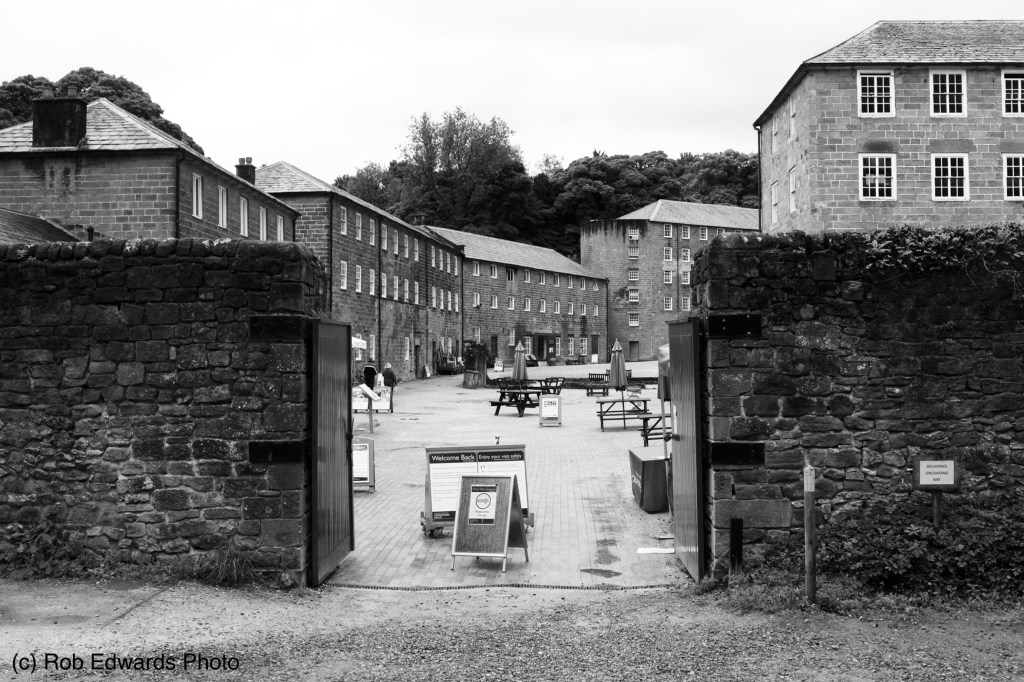
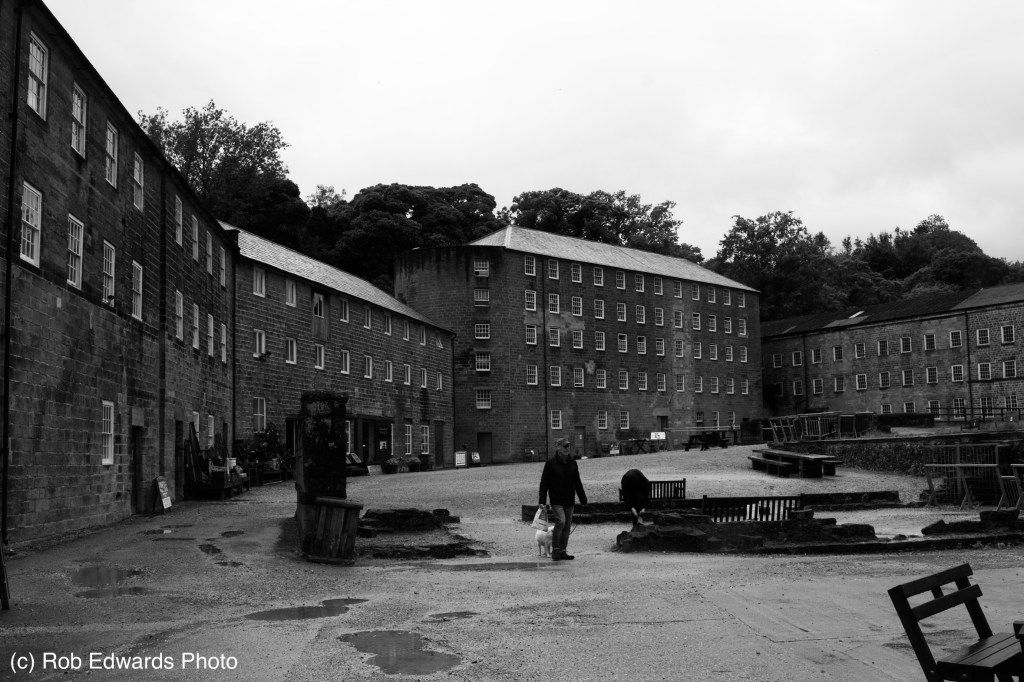
Cromford Mills, near Cromford in Derbyshire, is the site of Sir Richard Arkwright’s first successful water powered cotton spinning mill in 1771. Further developments were made to the site until 1790 when the buildings were seen here were all built.
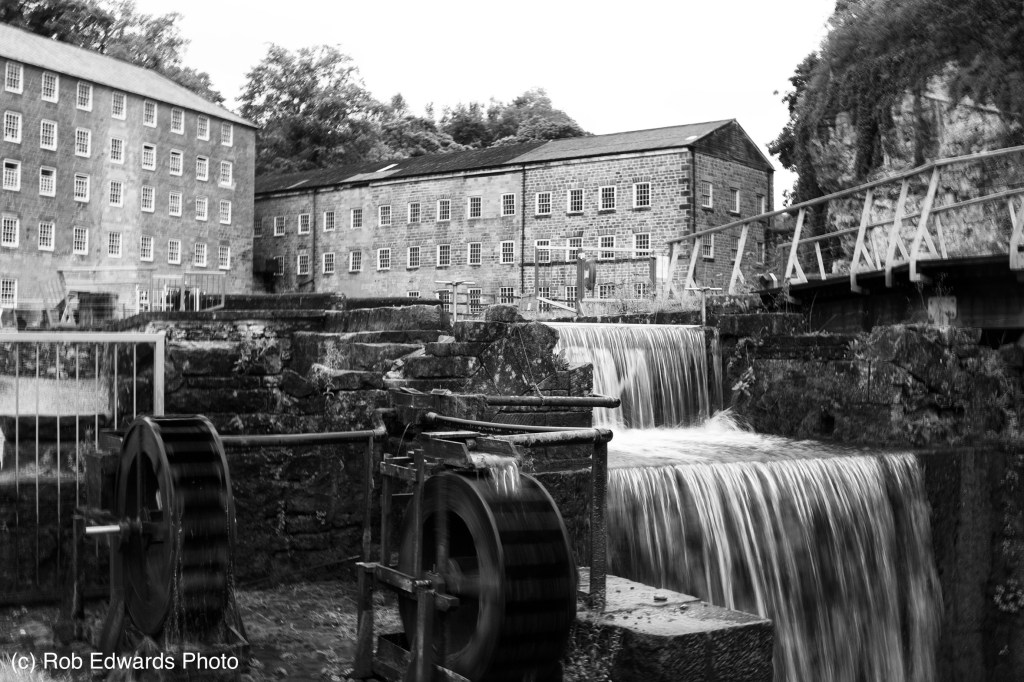
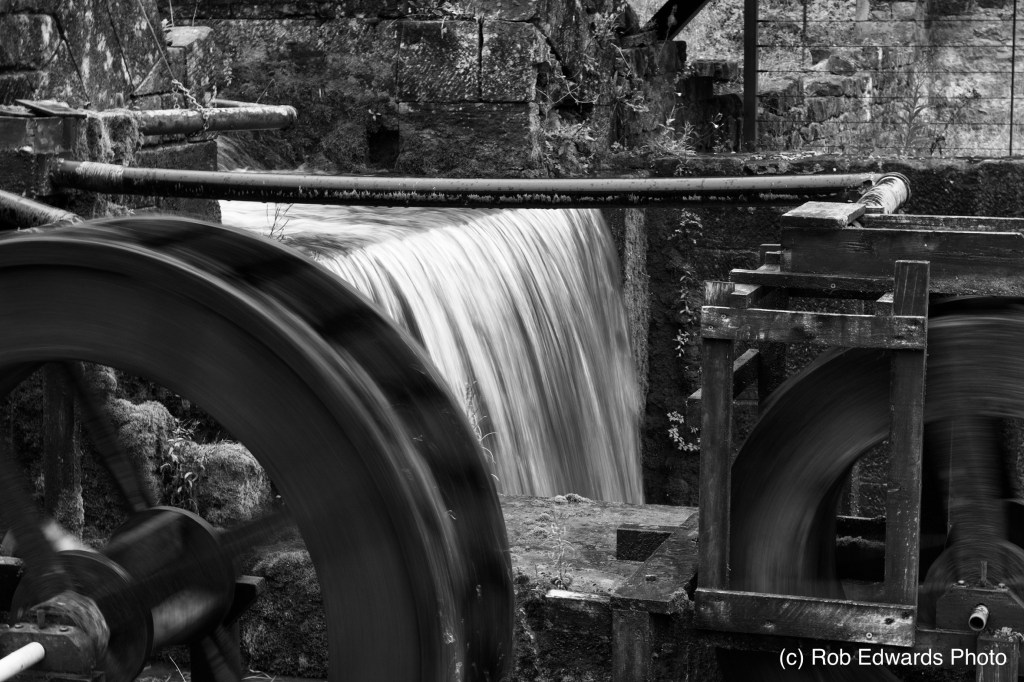
This is what the industrial revolution was about – mechanising tasks to increase production, replacing the smaller, less efficient methods; and before the use of steam, Sir Richard Arkwright made use of water to drive his contribution to the industrial revolution.
The site is a UNESCO World Heritage site, and today contains various shops and cafes, but the old machinery for the driving of the mills is all preserved. These pictures are from a visit at the end of August 2020.
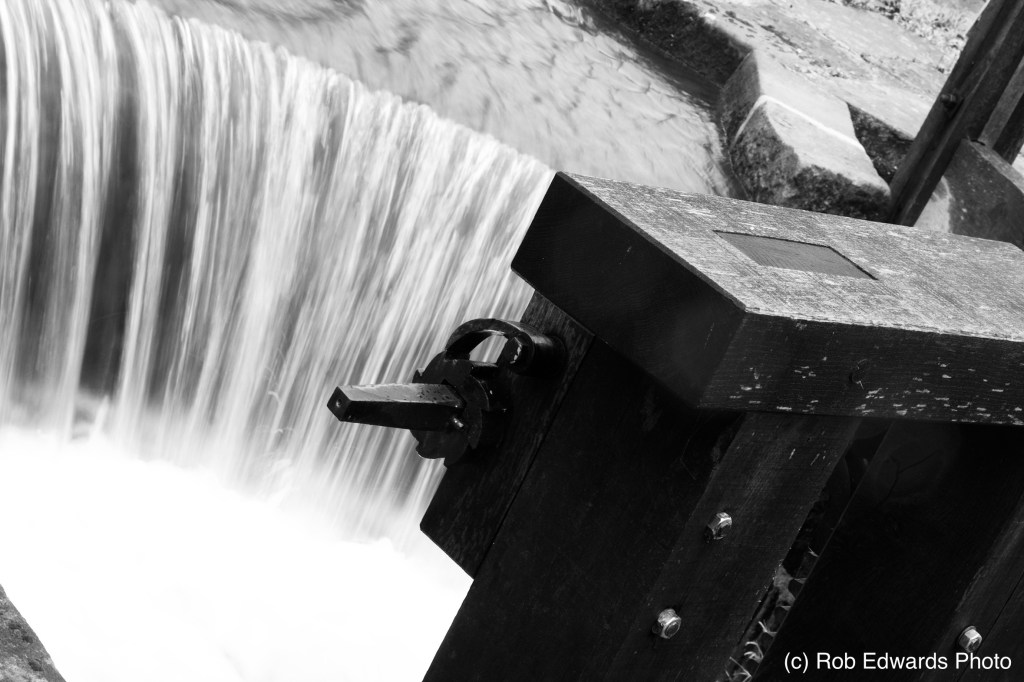
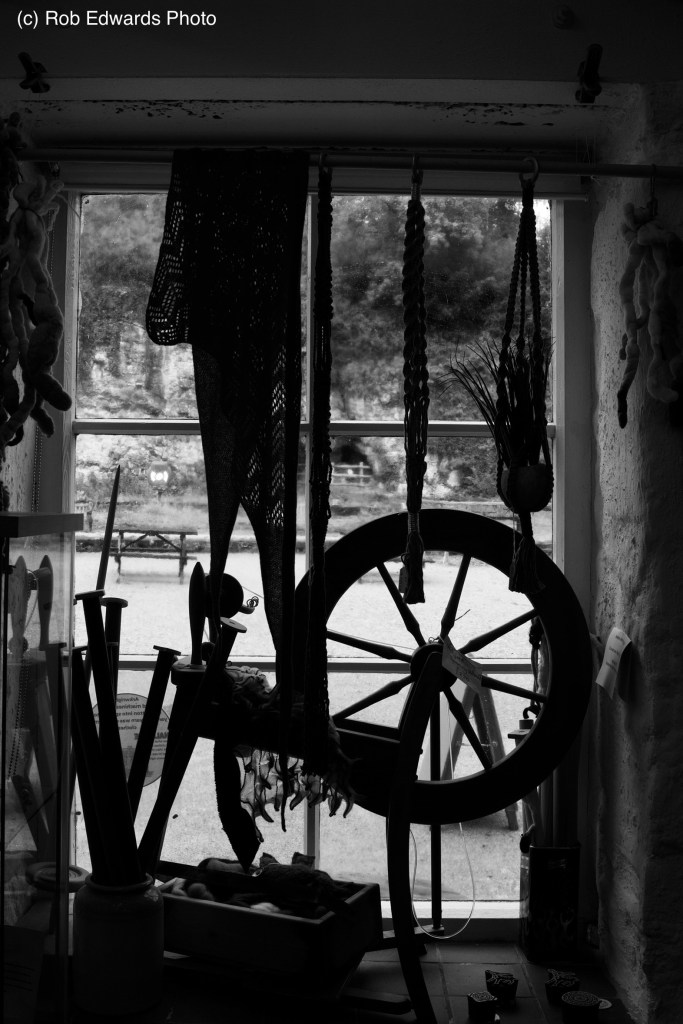
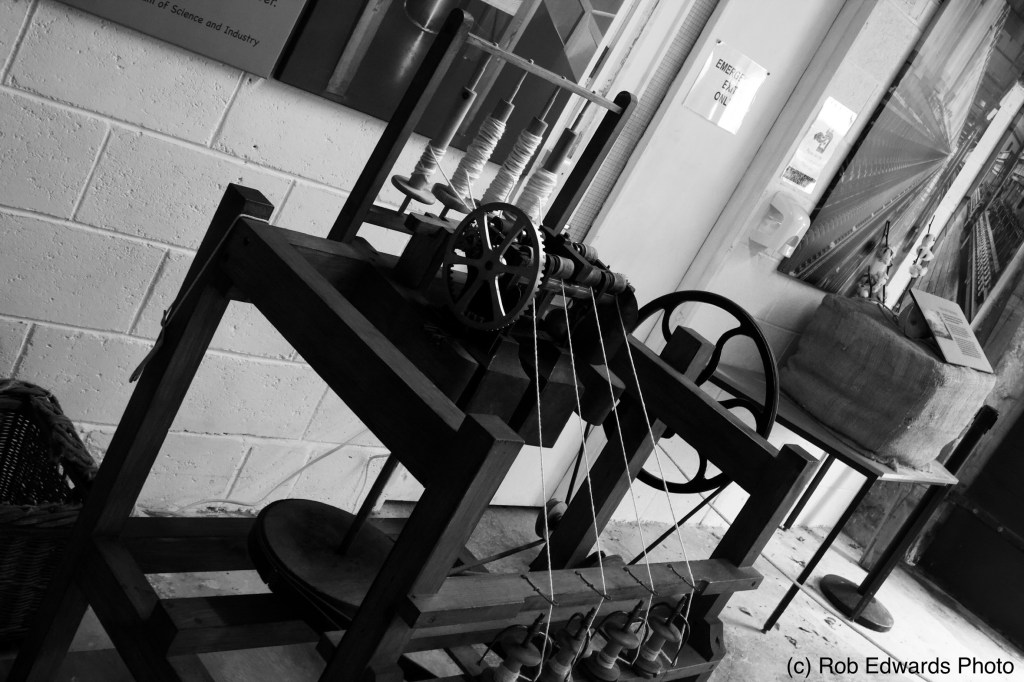
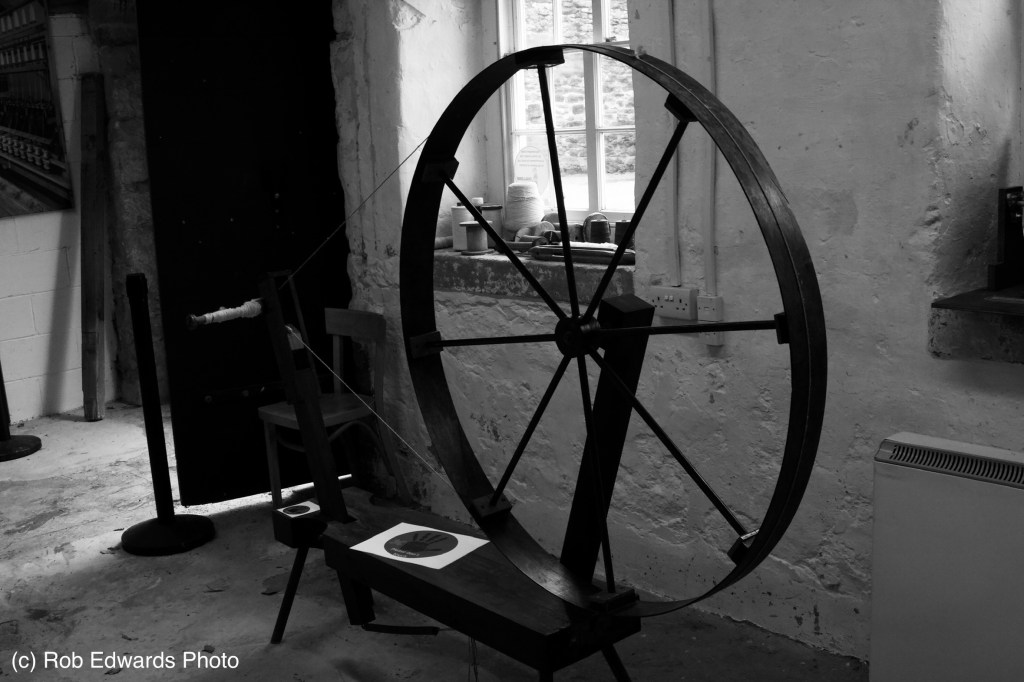
The entrance to the Comford Mills shows the buildings dating from the 18th CentruryAnother view of the various buildings on the site, that once contained spinning machines, clattering with may decibels, driving the early industrial revolution A few years before the discovery of steam power, water power was the only form of propulsion available for the spinning machinery.Water power was harnessed by the use of sluice gates to control the flow of the water. Water was a powerful driver and was used in the manufacture of all sorts from cotton to flour. We know the damage water can do with such power, and this power was harnessed to drive machinery. The ‘controlled’ water would then drive water wheels connected to the machinery The buildings now house various shops and cafes. What is nice is to see references to the past in some fo these shopsThere is also a museum that talks about this history of Cromford Mills, with exhibits like this……and this. Harking back to a time before large machines that replaced these methods of making cotton
That’s all folks this time – don’t forget to like, comment and share
 Flat Cap and Camera