The remains of the industrial revolution in pictures
Working the clay: China clay works
One of the industries that doesn’t seem to get much attention is Cornwall’s China Clay industry, an industry that has put bread on the table of many families in central Cornwall for many years, either directly through the workers in the quarries, or for those railwaymen who have worked to transport the clay.
My interest in the China Clay came from many Easter holidays to west Cornwall, but spending time watching Class 37 diesels hauling long rakes of CDA hopper wagons around the county. So much so, that my N gauge model railway features a china clay works.
Anyway, the Wheal Martyn China Clay museum near St Austell, is the only museum in Cornwall showing the workings of China Clay, and is based in the old Wheal Martyn China Clay works. Here are some pictures from my last visit in October 2019.
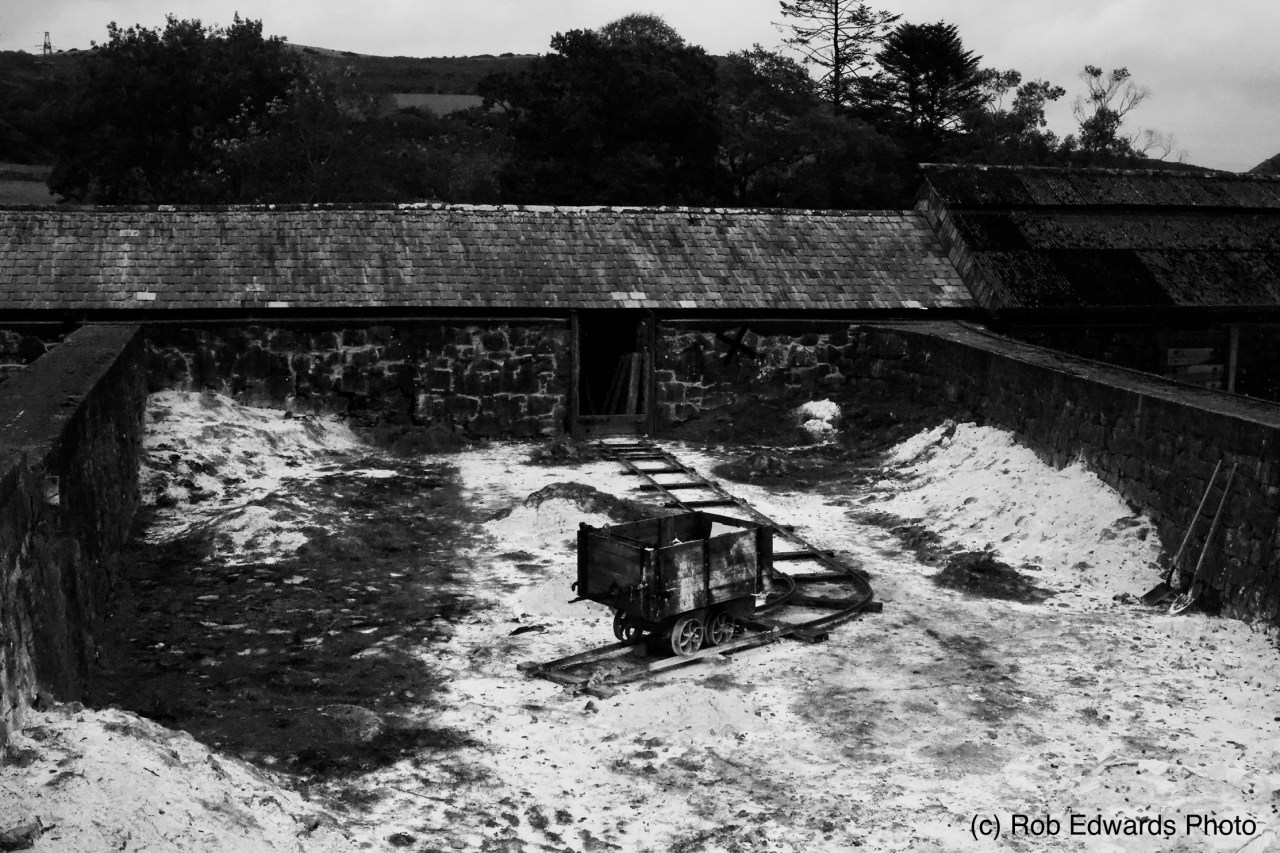
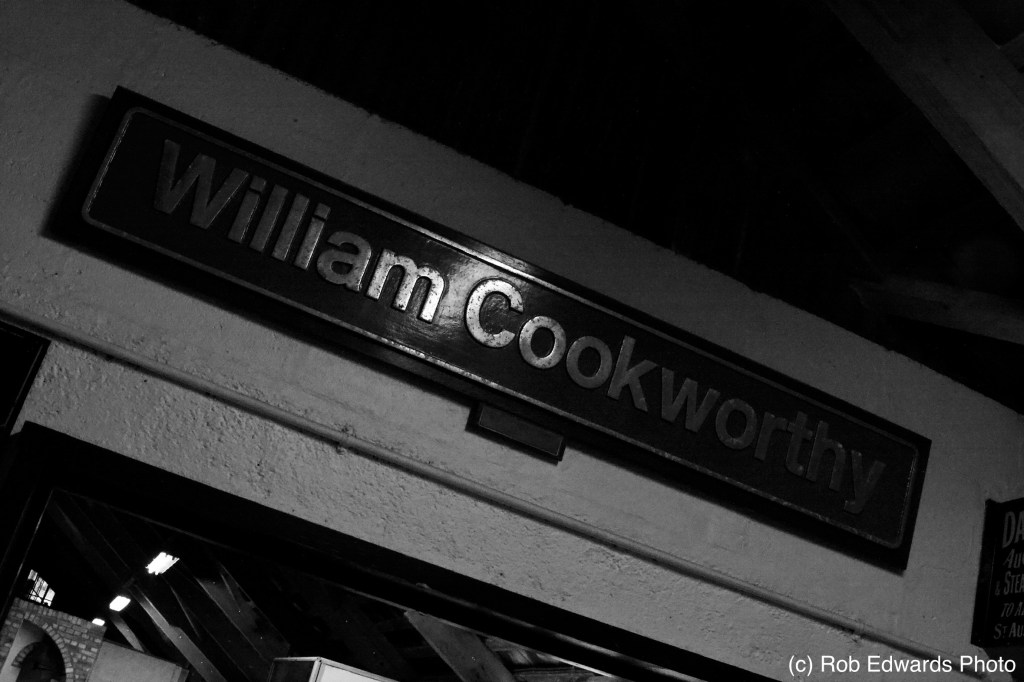
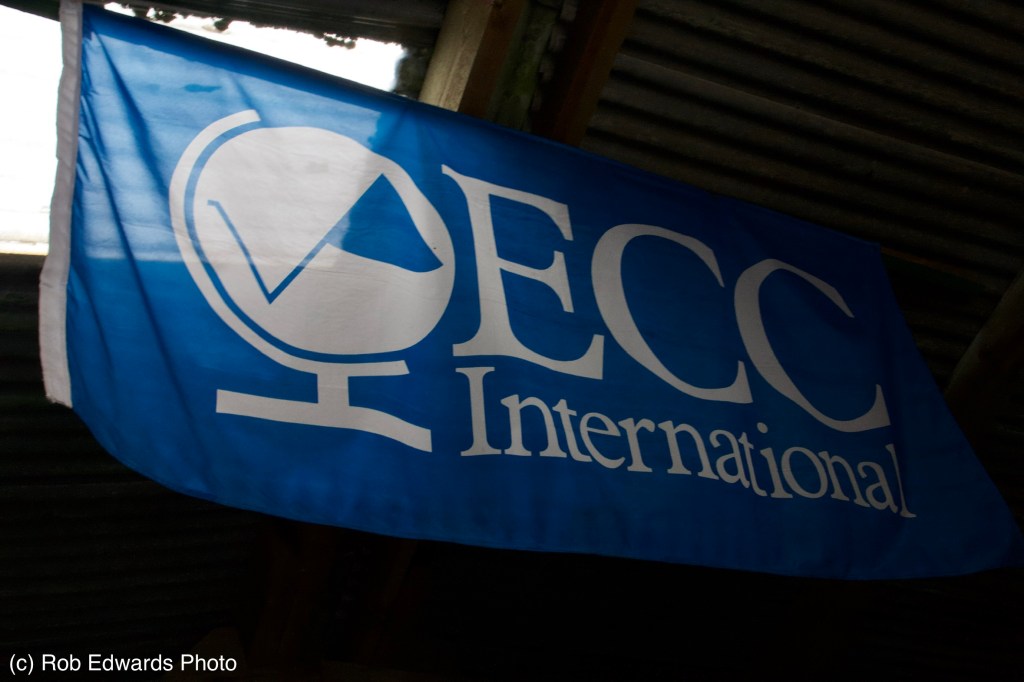
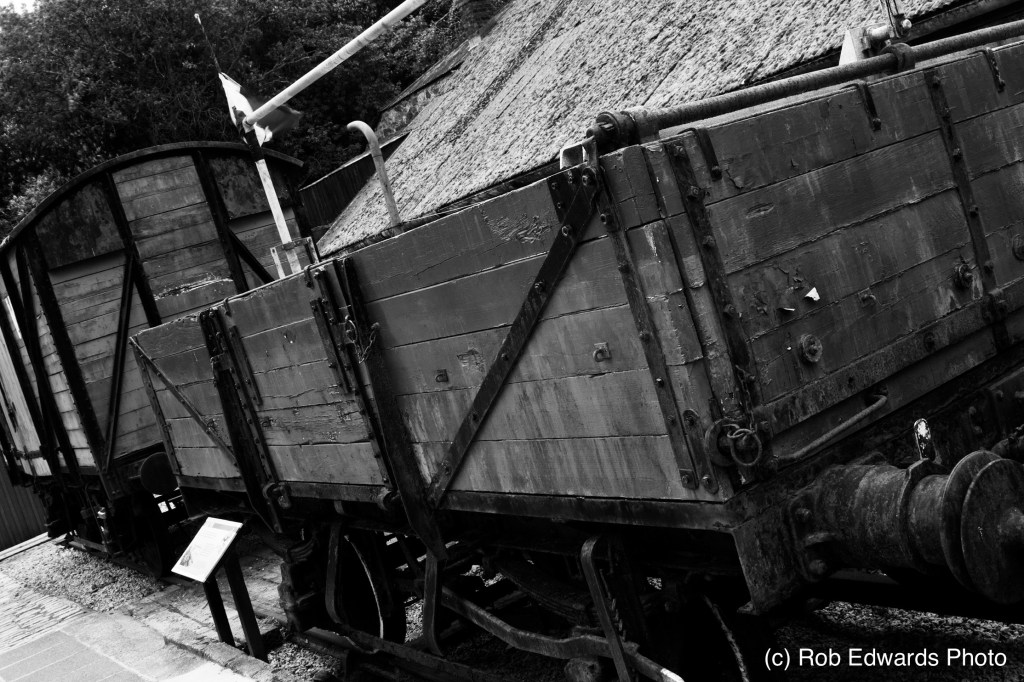
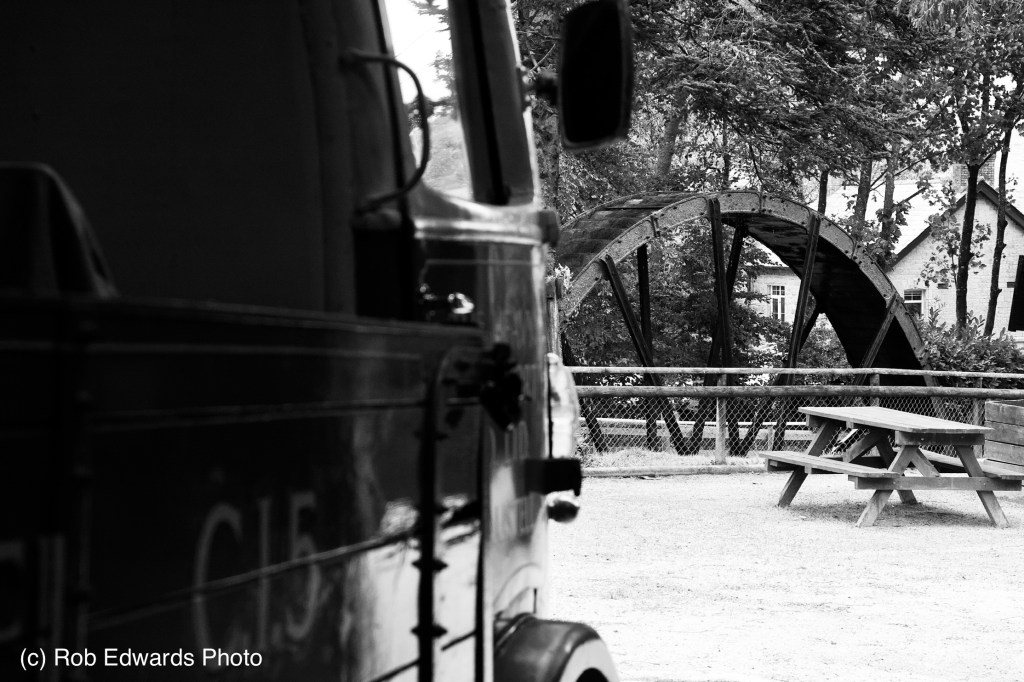
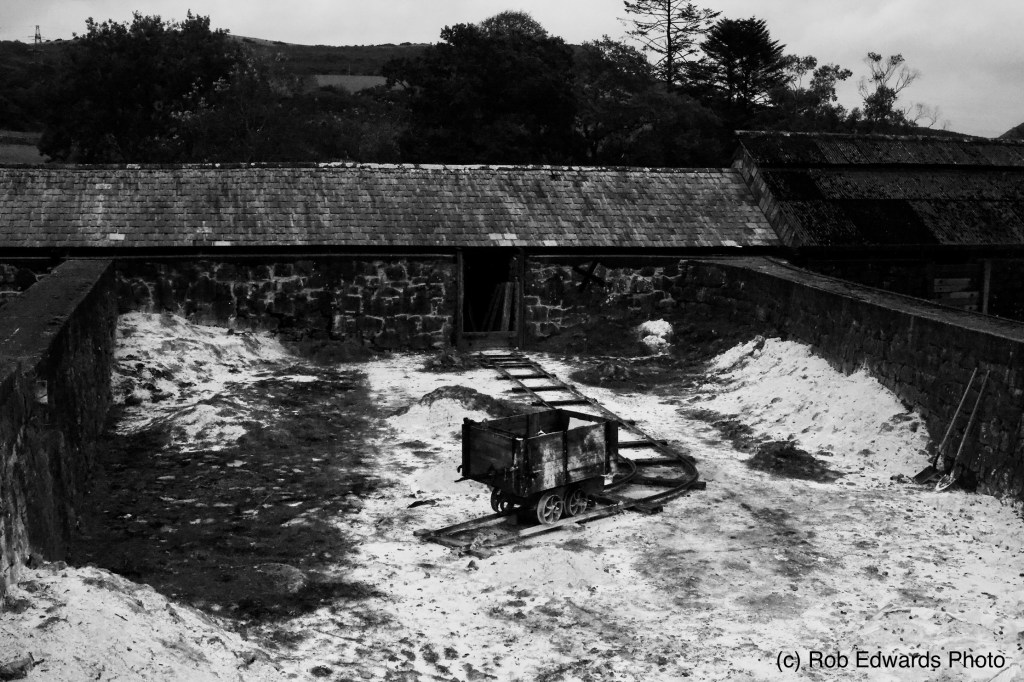
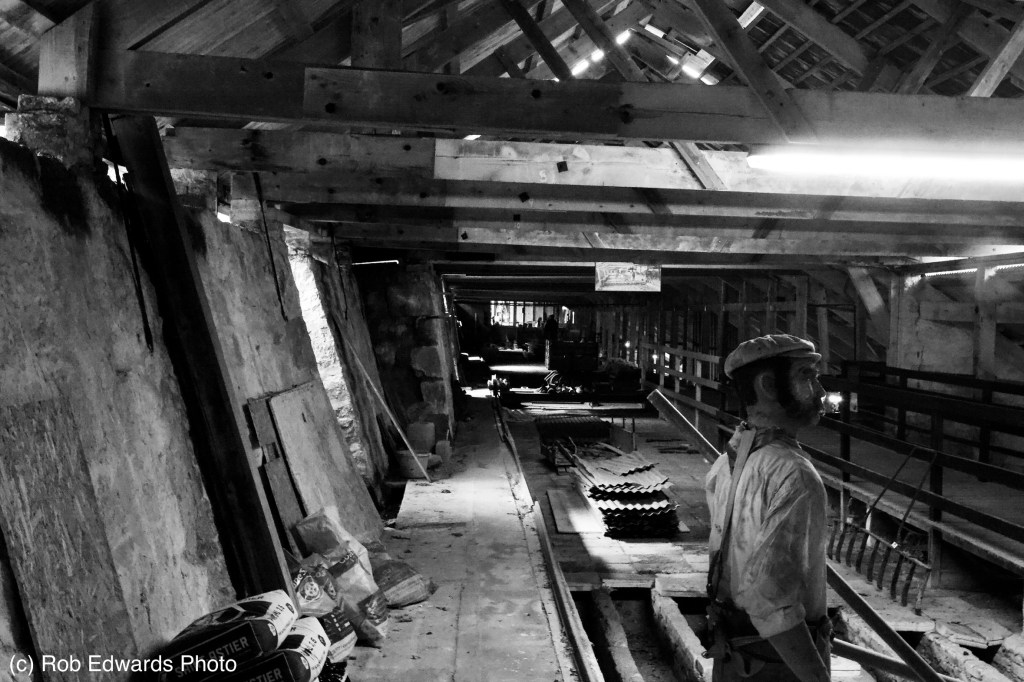
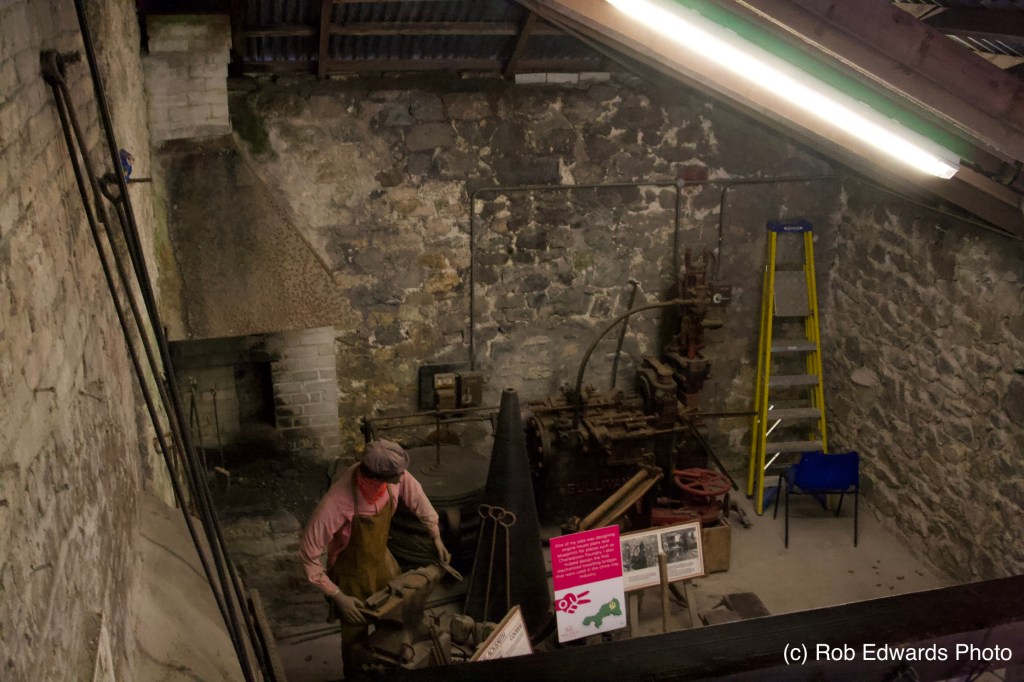
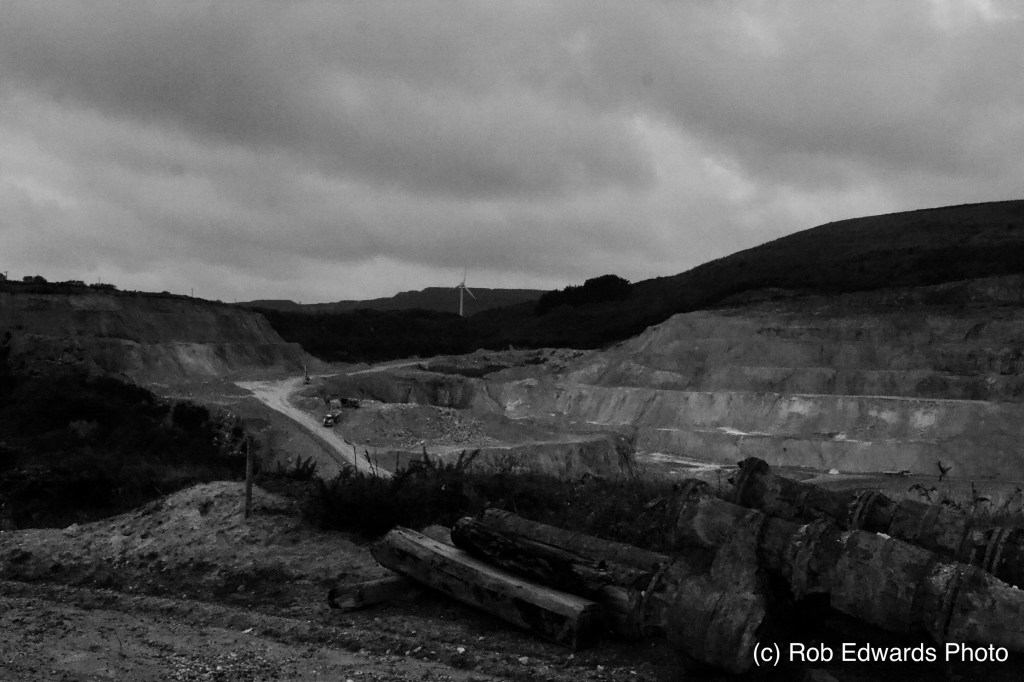
Why would a museum have a random locomotive nameplate on its wall? Well, William Cookworthy, a Pharmacist from Plymouth, was the man who discovered Kaolin (China Clay) in Cornwall in 1746, on Tregonning Hill, near Germoe in West Cornwall (between Helston and Penzance). Later he found richer deposits near St Austell, and patented the processing of Kaolin into Porcelain. The nameplate adorned two class 37 diesels; 37207 from 1980 to 1987, and 37675 from 1987 to c1994, both based at St Blazey Depot, the hub of rail operations for China Clay in Cornwall at different times.Although not at the museum, this is Tregonning Hill taken from the back of the Holiday Cottages that for the first 21 years of my life we spent every Easter, and at other times since (Many happy memories). This is the south side of the hill, and on the north side, you can see where William Cookworthy made some excavations to find the first Kaolin in Cornwall. Kaolin is decomposed granite, and is a soft white powered material. It was first found in China (hence the nickname China Clay), and used to make very fine porcelain. The discovery of the deposits in Cornwall would plug a gap in the market for those who wanted fine porcelain in the UK, who, up this point, largely had to make do with earthenware.ECC International is name, for me anyway, that is synonymous with China Clay in Cornwall. For many years, EEC, or English China Clays, ran the majority of China Clay operation in Cornwall from 1919, with the amalgamation of several of the biggest clay producers in Cornwall, until 1999, when the company was brought out by the French mining giant Imetal, and the name changed to Imerys Minerals. Goonvean Ltd was the only other producer fo clay in the County, and was too purchased by Imerys Minerals in 2013.At the museum, there are a couple of railway wagons, which people may just think, ‘well what are they there for?’ But these wagons are also synonymous with China Clay workings by rail; the vans took bagged clay from various locations, and the other wagon is a ‘Clay Hood’, or UCV wagon (UCV is the BR code for these wagons; ‘U’ stands for uncovered bulk wagon, ‘C’ is the type and ‘V’ stands for vacuum braked, and post 1983 classified as OOV wagons, Open, Type O, Vacuum braked wagons). Until 1988, Clay Hoods Would been seen in Cornwall and Devon transporting the clay from clay works to the ports of Fowey and Par, and in earlier days, on long distance workings to places such as my hometown of Stoke-on-Trent. The bar across the top would hold the hood above the clay, and were added in the late 1970s. These wagons were the last open bodied, wooden wagons to be used in large quantities by British RailOne of the interesting features of the museum, other than the old 1954 built ERF lorry in the foreground, is the working water wheel. Kaolin is extracted by a mixture of blasting (to loosen the rock) and water blasting to separate the Kaolin from the remaining granite, the slurry is then pumped into the settling tanks (see below). The water wheel was used to pump the very wet clay slurry from the pit down to the dries.I’ve said already that the museum at Wheal Martyn is built around the old Wheal Martyn clay works. To the right of the visitor centre, you can see the remains of one of the old pan kilns. Until 1948, this was the only way of drying the clay slurry to get the Kaolin ready for transport. A pan kiln literally just heats the clay slurry, evaporating the water, and leaving the Kaolin behind. The method was very labour intensive and not the most efficient. However, pan kilns survived until the early 2000s, the most notable being Wenford Dries in North Cornwall near Bodmin. In 1948 the new Buell driers started to be constructed, where the clay is ‘mechanically’ dried, the development having been started in the 1930s.The rear of the pan kiln had the settling tanks, where the slurry was pumped and most of the water drained off before the wet clay was shovelled into the pan kiln itself. Behind is another sight synonymous with mid-Cornwall: conical waste tips, which are formed mainly of quartz, one of the by-products of extracting Kaolin. The tips were white when they were first formed, and were nicknamed the Cornish Alps.A better view of a settling tank. Wagons would be used to get the wet clay into the Pan Kiln for drying.Inside the Pan Kiln, the wet clay would be dried out with the heat from coal fires lit in the boiler house. At the time of photographing, the Pan Kiln and the Linhay below at Wheal Martyn were under restoration. Once the clay had dried out, it would be shovelled down to the Linhay to be loaded on to trains or carts / road vehicles; in the case of Wheal Martyn, the clay would be transported originally by horse and cart to the docks at nearby Charlestown.Like so many similar industries, many tools, fastenings and similar objects had to be made on site, and like so many similar industries, many China Clay works would have originally had a black smithy on site. Here is the one recreated as Wheal Martyn.Behind the museum grounds, and up a not too steep path, China Clay is still worked in the pit behind. A number of times a week, this viewing point has to be closed off while they quarry blasts new sections into the rock to allow access to the Kaolin. Although not dried at the Wheal Martyn woks, the clay slurry from here is dried at other nearby clay works in more modern Buell driers.



 Flat Cap and Camera